Eco-Conscious Hardscaping: Choosing Sustainable Materials for Long-Lasting Beauty May 09, 2026
One cornerstone of eco-friendly hardscaping is the selection of sustainable materials. Choosing the right materials can significantly reduce the ecological footprint of landscaping projects. Reclaimed wood, for example, is a fantastic choice for decking or fencing. Using reclaimed or salvaged lumber not only preserves natural resources but also gives your space a unique, rustic charm. Moreover, recycled materials like concrete and bricks can be repurposed to create visually appealing and environmentally friendly patios or pathways.
Permeable pavers are another excellent option for eco-conscious hardscaping projects. Unlike traditional paving materials, permeable pavers allow water to filter through the surface and into the ground below. This reduces runoff, decreases soil erosion, and supports groundwater recharge. In addition to their environmental benefits, permeable pavers also help manage water around the property, reducing the risk of flooding and standing water after heavy rains.
Natural stone is another material that merges durability with sustainability. When sourced responsibly, natural stone provides a long-lasting and robust solution for walkways, retaining walls, and other hardscape features. Stone's natural thermal properties make it perfect for managing temperatures, particularly in outdoor seating areas. This can help in creating comfortable microclimates without relying on energy-intensive artificial climate controls.
For those seeking alternatives to traditional cement, consider exploring eco-friendly concrete options. Some innovative mixes now include fly ash or slag, both by-products of industrial processes, which reduce reliance on Portland cement. This not only cuts down on greenhouse gas emissions but also leads to the creation of concrete that is as strong and durable as traditional variants.
Another critical element of sustainable hardscaping is native plant integration. Incorporating local flora into your landscaping design typically requires less irrigation and maintenance, adhering beautifully to sustainable landscaping tenets. Partnering native plants with sustainable hardscaping materials results in a harmonious outdoor living environment that supports local wildlife and enriches the ecosystem.
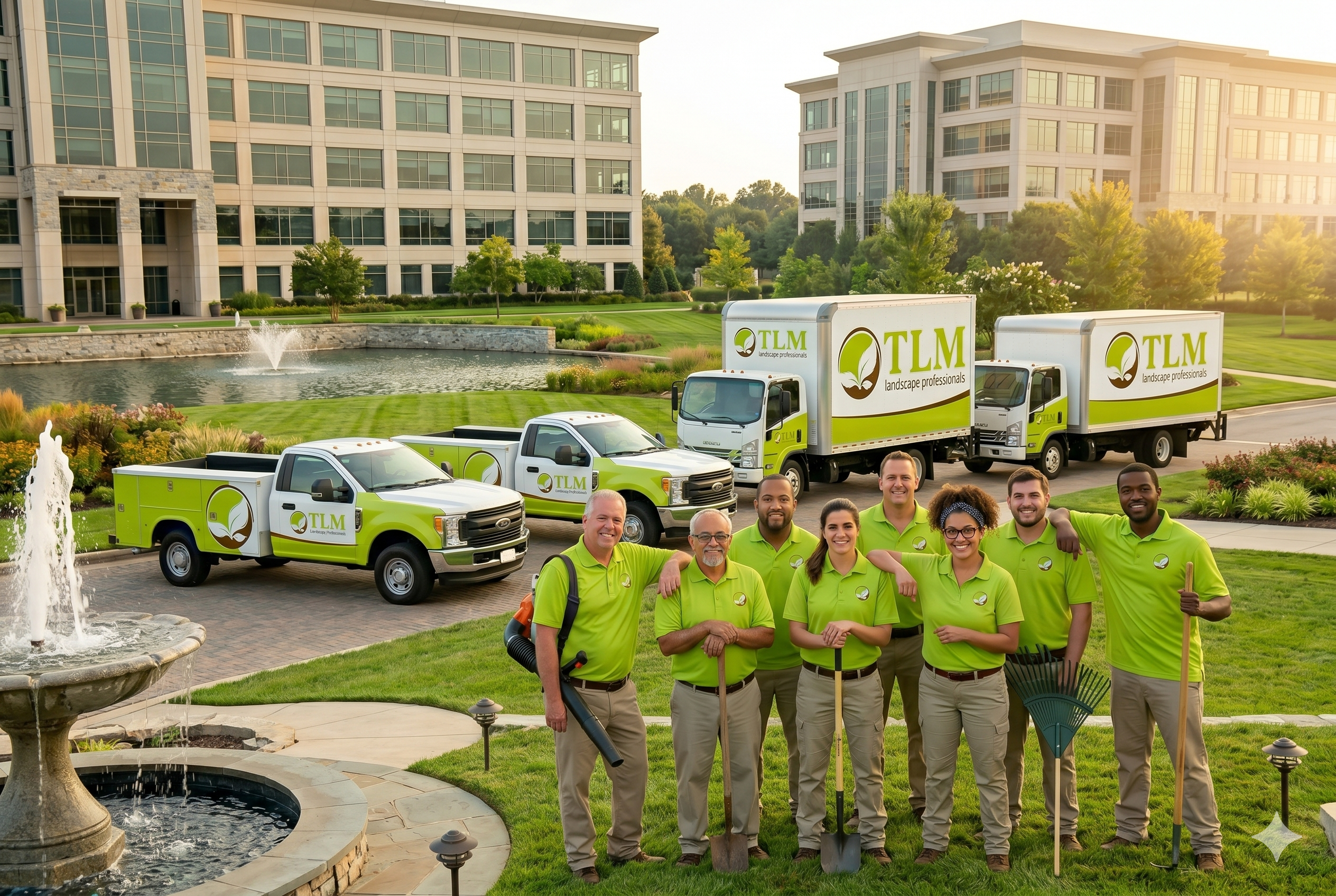
As you consider which materials to use in your eco-conscious hardscaping project, it's essential to weigh factors such as longevity, maintenance, and climate compatibility to ensure that your choices remain both aesthetically pleasing and functional over time. Consulting with professionals like TLM Landscape Professionals can provide valuable insights and expertise, helping homeowners make informed decisions that align with their sustainability goals.
In conclusion, eco-conscious hardscaping offers a sustainable path forward in creating beautiful outdoor spaces that coexist harmoniously with the environment. By choosing materials wisely, such as reclaimed wood, permeable pavers, natural stone, and eco-friendly concrete, you're not just investing in the longevity and charm of your property. You're also contributing to a healthier planet. With a commitment to sustainability, we can craft landscapes that thrive not only today but also leave a positive impact for future generations.